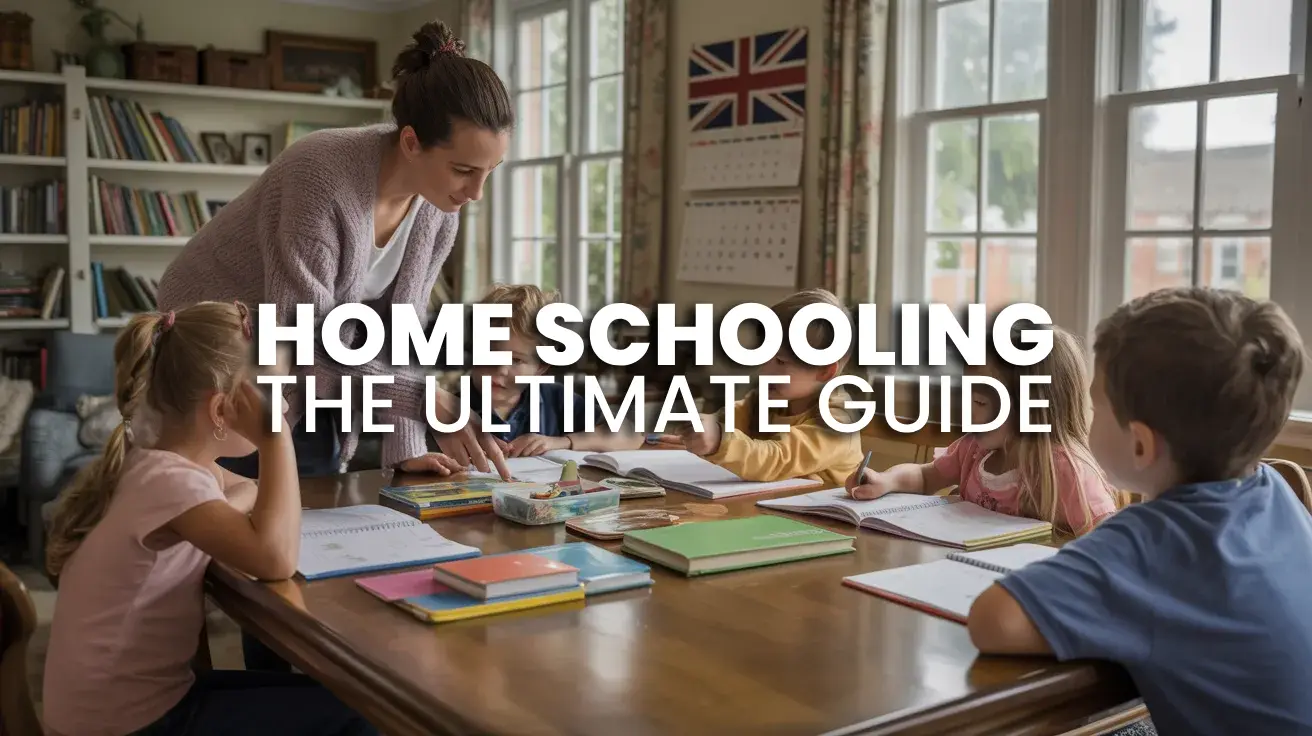
Home Schooling: A Practical Guide for UK Parents
How to legally and confidently educate your children at home in Britain — step-by-step setup, legal rights, exam options and building social groups.
Is home education legal in the UK?
Yes. Parents in England, Wales, Scotland and Northern Ireland have the legal right to educate their children at home. The precise duties and powers of local authorities vary across the nations, but the core responsibility remains the same: provide an efficient, full-time education suitable to the child's age, ability and aptitude.
There is no automatic requirement to follow the national curriculum — parents choose the method and materials. However, local authorities can make enquiries and may issue a School Attendance Order if they are not satisfied that a suitable education is being provided.
Key Legal Points
- Parents are responsible for their child’s education — not the school.
- There is normally no formal registration requirement; keep good records to show provision.
- Local authorities may make informal enquiries and expect evidence if concerned.
A Simple 5-Step Plan to Start
Choose structured curriculum, hybrid classes, or child-led learning. Pick resources and a weekly rhythm that suits your family.
Create a simple learning plan and keep examples of work, photos, or a learning journal. These protect you in any LA enquiry.
For formal qualifications (GCSEs, A-levels), plan to sit exams through a private or alternative centre — check entry deadlines early.
Daily Life & Curriculum
You do not need to replicate school hours. A typical parent-led day mixes focused lessons, practical projects, and outdoor learning. Aim for consistency rather than rigidity: children thrive on predictable routines.
Records and Evidence
Keep short notes, examples of work, photos of projects, and occasional dated plans. If your local authority asks for evidence, a simple folder or digital portfolio explains what your child has been studying and shows progress.
Exams & Qualifications
Homeschooled learners can enter public exams via an examination centre. Plan well in advance — GCSE entries have deadlines and fees. Look for local colleges, private schools or exam centres that accept external candidates.
Special Educational Needs
If your child has additional needs, continuing support and assessments are important. An existing Education, Health and Care Plan (EHCP) should be discussed with the local authority if you remove the child from school — the LA still has duties to secure provision in some circumstances.
Forming Groups and Socialising
Start small: coffee mornings, park meet-ups, or fortnightly themed workshops (science, art, sport). Use social platforms, local community noticeboards or library spaces to advertise. For larger, regular gatherings, agree simple safeguarding rules, a code of conduct, and a nominations process for regular volunteers.
Safeguarding & Insurance
For occasional play-dates you may not need formal checks, but any adult regularly supervising other people’s children should consider basic DBS checks. For regular groups or paid classes, get public liability insurance and simple parental consent forms.
Sample Email to Your Local Authority
If you decide to inform the LA, keep the message factual and brief. Example: "We are writing to inform you that we will be educating our child, [Name], at home from [date]. We will ensure provision of a suitable full-time education and will keep records of learning."
Downloads & Templates
Copy and adapt these templates for your local group, LA notification, and meeting plans.
Nation-specific guidance
Rules and powers differ across England, Wales, Scotland and Northern Ireland. Start with the official pages below and keep a copy if you need to show the LA.
Forming a local home-education group
- Start small: run a pilot meetup in a public space or community room to test interest.
- Create clear rules: publish a short code of conduct and a volunteer rota so parents know who is responsible.
- Agree safeguarding: collect emergency contacts, ask regular volunteers to get DBS checks where appropriate, and keep simple consent forms.
- Venue & insurance: for regular sessions get a venue hire agreement and public liability cover; share insurance details with parents.
- Communications: use a private messaging group (Signal, WhatsApp) for organisers and a public notices thread for event details.
- Scale safely: when numbers grow, break into smaller age-based groups and recruit parent volunteers to keep ratios safe.
Suggested roles for growing groups
- Lead organiser — overall contact and bookings.
- Safety steward — first point of call for incidents.
- Session teacher — prepares and leads the activity.
- Communications lead — manages the messaging group and sign-ups.
Did this guide help you?
Britain Direct is independent and reader-supported. If you found this useful, please consider supporting our work or sharing it with others who need it.